Tether launches privacy-focused health platform with on-device AI

cointelegraphОпубликовано 2025-12-10Обновлено 2025-12-10

Введение

T Summary Tether has launched QVAC Health, a privacy-focused health platform that aggregates data from various wearables and wellness apps into a single, encrypted dashboard. The platform processes all data locally on the user's device using on-device AI and peer-to-peer model downloads, eliminating the need for external servers. It includes experimental computer-vision tools to estimate calories from meal photos and correlates this data with wearable information to identify patterns in activity, recovery, and sleep. Tether CEO Paolo Ardoino emphasized the platform's role as a "neutral ground for wellness data," reflecting the company's commitment to privacy. Future updates will enable direct Bluetooth Low Energy connections to certain wearables, bypassing manufacturer APIs and cloud services. This development aligns with growing privacy concerns in the crypto and tech sectors, as highlighted by comments from Ardoino and former White House adviser David Holtzman regarding the vulnerabilities of centralized data repositories. The move is part of a broader trend towards decentralized, privacy-preserving technologies, including initiatives from Ethereum's Vitalik Buterin and Circle's development of a privacy-enhanced stablecoin.

Tether has launched a new platform that aggregates data from multiple wearables and wellness apps into a single, locally processed dashboard, aiming to give users control over their biometric information.

The platform, called QVAC Health, aggregates data from fitness trackers, nutrition apps and other wearables into an encrypted dashboard that works offline, using on-device AI and peer-to-peer model downloads to analyze activity, meals, symptoms and medication logs without relying on external servers.

The app includes experimental computer-vision tools that can estimate calories and macronutrients from meal photos and can correlate those logs with data from multiple wearables to identify patterns in activity, recovery or sleep, all processed locally on the user’s device, according to a Wednesday announcement.
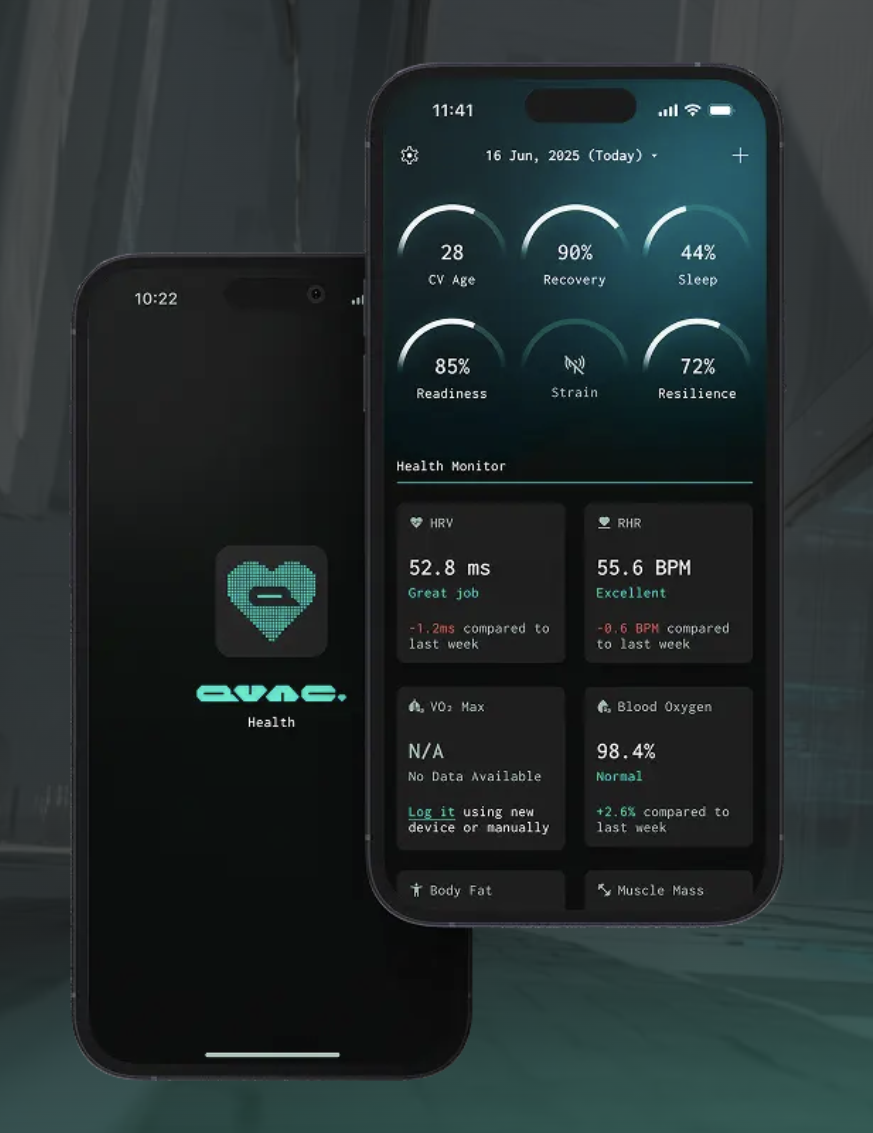
Source: QVAC

Tether CEO Paolo Ardoino called the platform a “neutral ground for wellness data” that reflects the “company’s commitment to privacy-preserving local intelligence.”

Tether, the world’s largest stablecoin issuer, says future updates will include direct Bluetooth Low Energy connections that will let the app read data from certain wearables without routing information through manufacturer APIs or cloud services.

The platform is part of Tether Data’s QVAC project, which builds peer-to-peer, device-based AI systems designed to operate without relying on centralized platforms.

The global fitness-tracker market was valued at $52.29 billion in 2024 and is projected to grow to $189.98 billion by 2032, according to a Verified Market Research report. Major fitness-tracker manufacturers include Apple, Fitbit, Samsung, and Huawei.

Related: Australian fitness firm tanks 21% on Solana treasury gamble

Privacy concerns drive new developments across crypto

Tether’s new platform aligns with comments Ardoino made in 2024, when he argued that running local AI models directly on user devices was the only reliable way to prevent data from being harvested or exposed through centralized servers.

Former White House adviser David Holtzman told Cointelegraph in December 2024 that AI-driven data aggregation and future quantum threats make large data repositories especially vulnerable.

Holtzman noted that AI can rapidly assemble behavioral and transactional data to identify targets more precisely, while future quantum attacks could break today’s encryption standards across sectors. He said decentralized systems can help reduce these risks by avoiding large, centralized data stores.
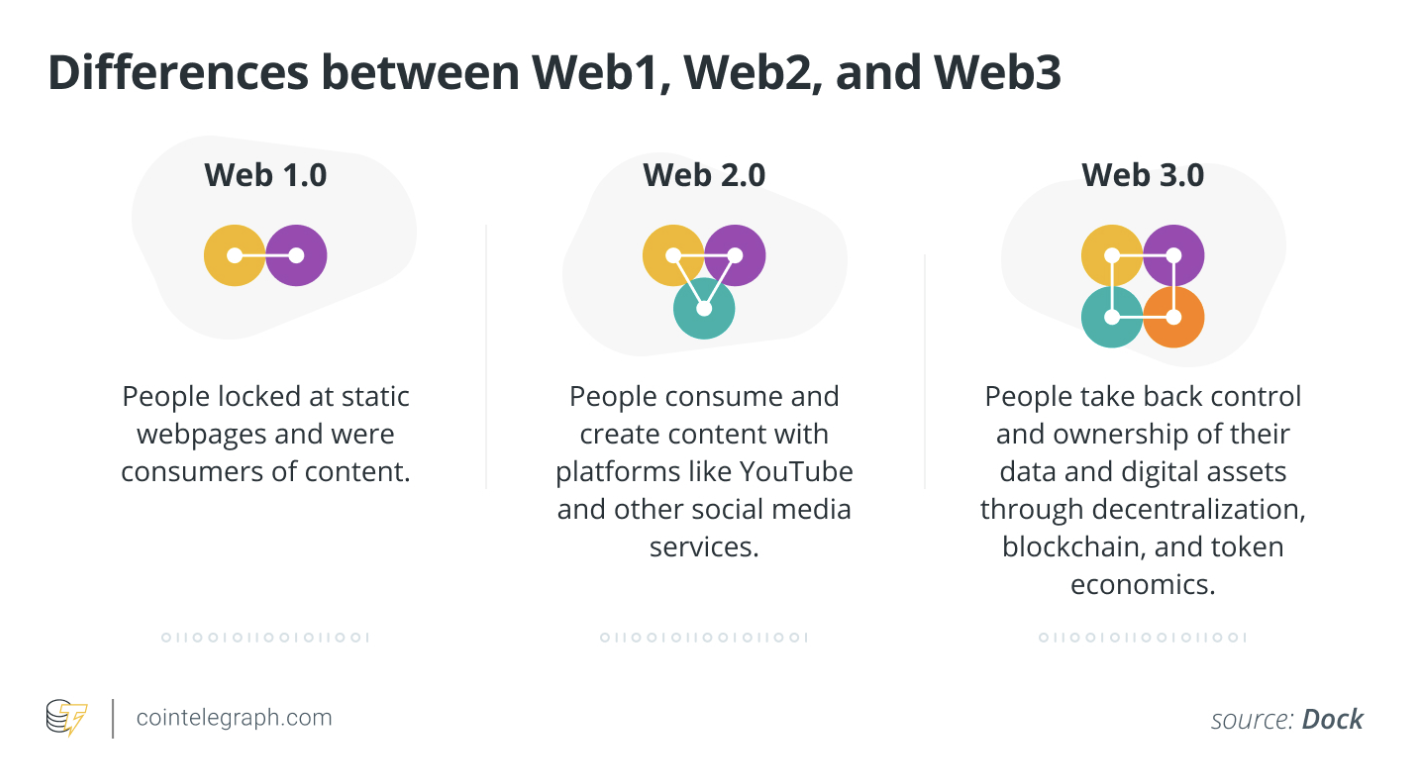
The evolution of the internet. Source: Dock/Cointelegraph

The various threats to privacy have spurred some action in the crypto community. In June, Ethereum co-founder Vitalik Buterin proposed a “pluralistic identity” model — a digital ID approach that lets people prove who they are or qualify for services without exposing all of their personal information.

In December, Fortune reported that Circle is developing a privacy-enhanced stablecoin called USDCx with Aleo, designed to give institutional users banking-level transaction privacy while preserving the ability to furnish compliance records when necessary.

Growing concerns over data exposure and surveillance have also fueled renewed interest in privacy-focused cryptocurrencies, with the Zcash protocol emerging as one of the beneficiaries.

Magazine: Meet the onchain crypto detectives fighting crime better than the cops

Похожее

Grasp Four Keywords to Enter the Main Theme of Crypto in 2025 Early

The article "4 Major Keywords: The Four Seasons of Crypto in 2025" reviews the key developments in the cryptocurrency industry throughout 2025, a year marked by significant regulatory shifts, market volatility, and growing mainstream adoption. The year began with the "Trump Effect," as the new U.S. President took office, driving Bitcoin toward $100,000 and sparking a memecoin frenzy with TRUMP token, which reached an $80 billion market cap. Regulatory progress included the appointment of a crypto-friendly SEC chair and the proposal of a national Bitcoin reserve using seized assets. Summer saw market turbulence due to Trump's global tariff policies, causing sharp declines in both crypto and stock markets. Ethereum rebounded strongly, fueled by the rise of DAT treasury companies—public firms holding ETH and other cryptocurrencies—though many later faced significant losses. Stablecoins and PayFi gained prominence, especially after Circle’s successful public listing. Autumn brought breakthroughs in stock tokenization, with platforms like xStocks enabling on-chain trading of tokenized equities. Traditional players like Nasdaq also entered the space. Meanwhile, on-chain Perp DEXs like Aster and stablecoin projects like Plasma and WLFI attracted attention, though their tokens later declined sharply. Winter was defined by the "10·11 Great Crash," triggered by Trump’s tariff threats, resulting in over $300–400 billion in liquidations. Despite the crash, prediction markets like Polymarket and Kalshi thrived, both reaching valuations exceeding $10 billion. The year, crypto continued its path toward mainstream integration, heavily influenced by U.S. policy and traditional finance. The industry’s evolution emphasized both opportunities and risks, requiring adaptability from participants navigating this dynamic landscape.

比推1 мин. назад

Grasp Four Keywords to Enter the Main Theme of Crypto in 2025 Early

比推1 мин. назад

x402 V2 Released: What Are the Core Highlights?

The x402 protocol, initially developed by Coinbase, has now released its V2 upgrade. The core idea remains leveraging the HTTP 402 status code to embed payment logic directly into web requests. Since its launch, x402 has processed over 100 million payments across various use cases, such as API calls and AI agents purchasing compute resources. V2 introduces several major improvements. It supports wallet-based identity (e.g., Sign-In-With-X via CAIP-122) and reusable sessions, allowing users and autonomous agents to avoid repeated on-chain payments after initial authentication, significantly reducing latency and cost for high-frequency interactions. A unified payment interface now supports multiple chains (including Base and Solana) by default and integrates traditional payment rails like ACH and credit cards through Facilitators. Dynamic payTo routing enables complex pricing models and multi-tenant setups. The architecture is now modular and plugin-based, making it easier for developers to extend support for new chains or payment methods without altering core SDK code. Configuration is simplified, with automatic optimization based on developer preferences. A new discovery mechanism allows services to publish structured metadata, which Facilitators can automatically index, ensuring pricing and endpoint information stays current without manual updates. For end-users, V2 enables seamless, near-invisible payments with a "micro-subscription" feel. Developers benefit from reduced integration effort, dynamic pricing capabilities, and more flexible business logic. AI agents can autonomously transact using endowed wallets, making independent economic decisions. Overall, x402 V2 evolves from a pay-per-use tool into a versatile economic layer for the internet, though widespread adoption, modular risks, and regulatory challenges remain.

marsbit13 мин. назад

x402 V2 Released: What Are the Core Highlights?

marsbit13 мин. назад

Торговля

Спот
Фьючерсы
活动图片